
FUTURE BUILDS / CASE STUDY
Future Builds: Planning applications made easier to discover
How Noviom Labs built a Flutter app and Laravel platform that brings planning data, saved searches, developer content, notifications and tiered subscriptions into one product.
Visit live websiteFUTURE BUILDS APP
Find the planning applications worth following.
-
01
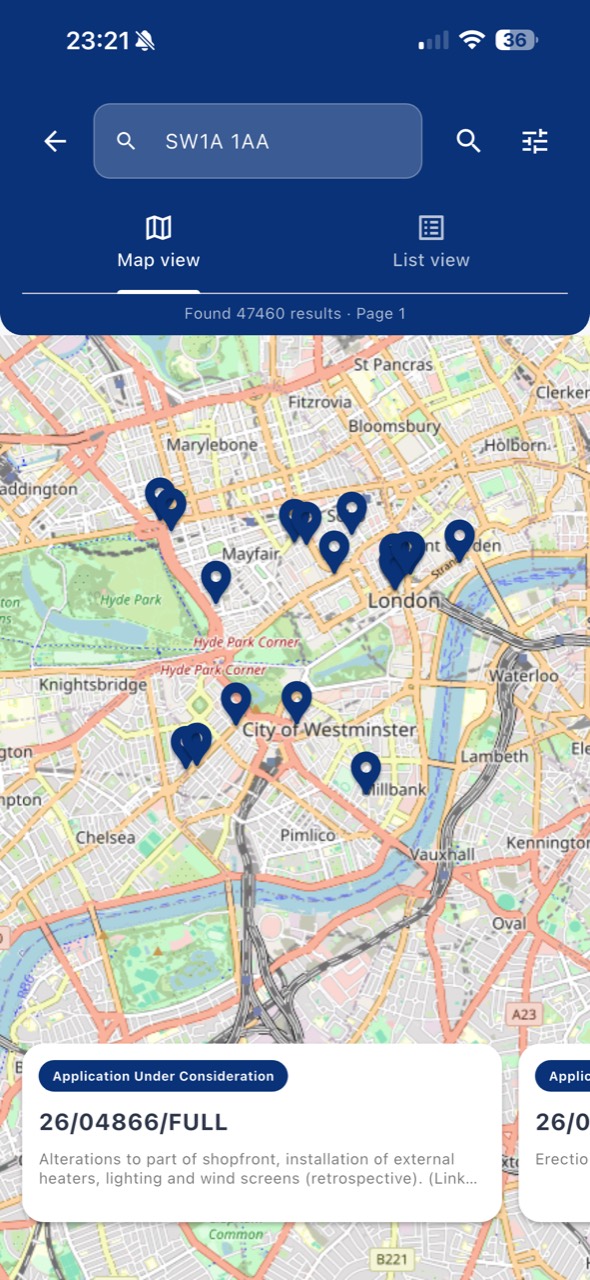
Search an area and see what is being planned.
Location search brings planning applications into an interactive map, while filters and list view help users narrow a large result set.
-
02
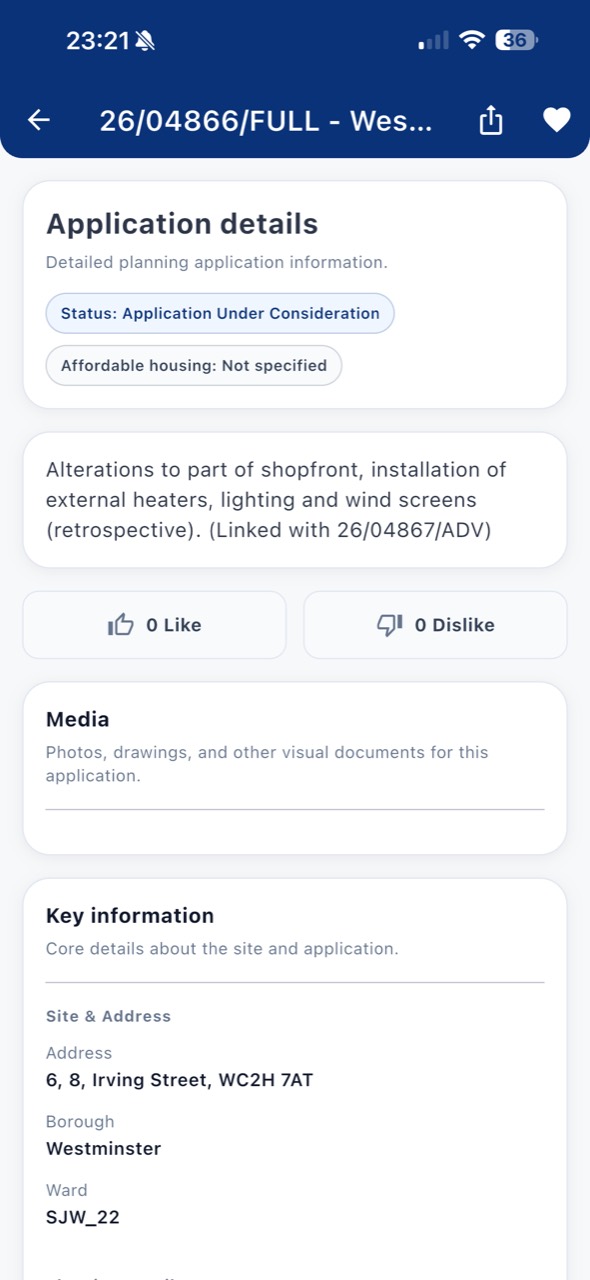
Turn a portal record into useful project detail.
Each application brings its status, description, location and key site information into one readable view, with room for richer developer-supplied media.
-
03
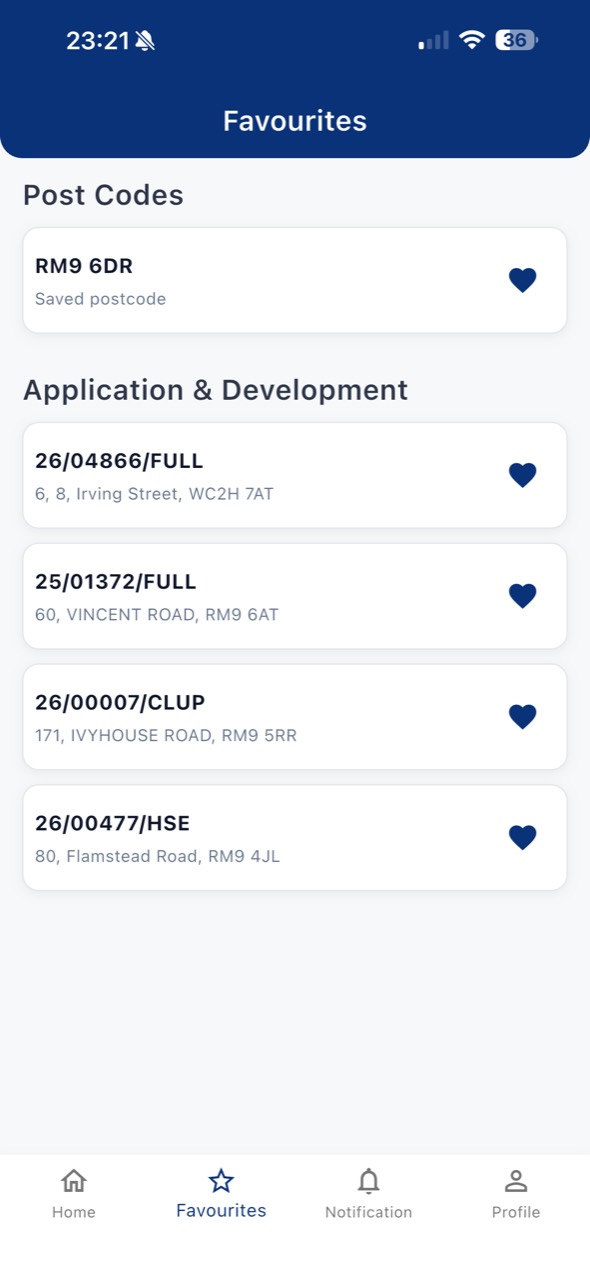
Keep important areas and applications close.
Users can save postcodes and favourite individual developments, creating a focused list that supports ongoing update notifications.
-
04
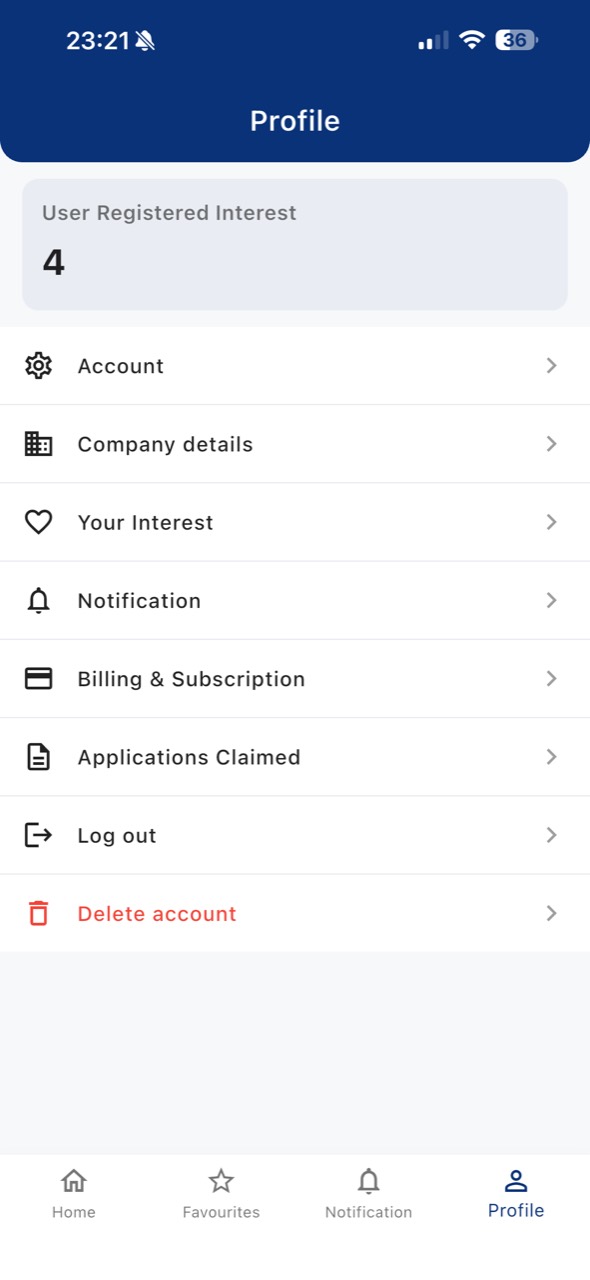
Accounts designed for individuals and companies.
Profile, company, notification, claimed-application and billing controls reflect a product with multiple account types and subscription permissions.
-
05
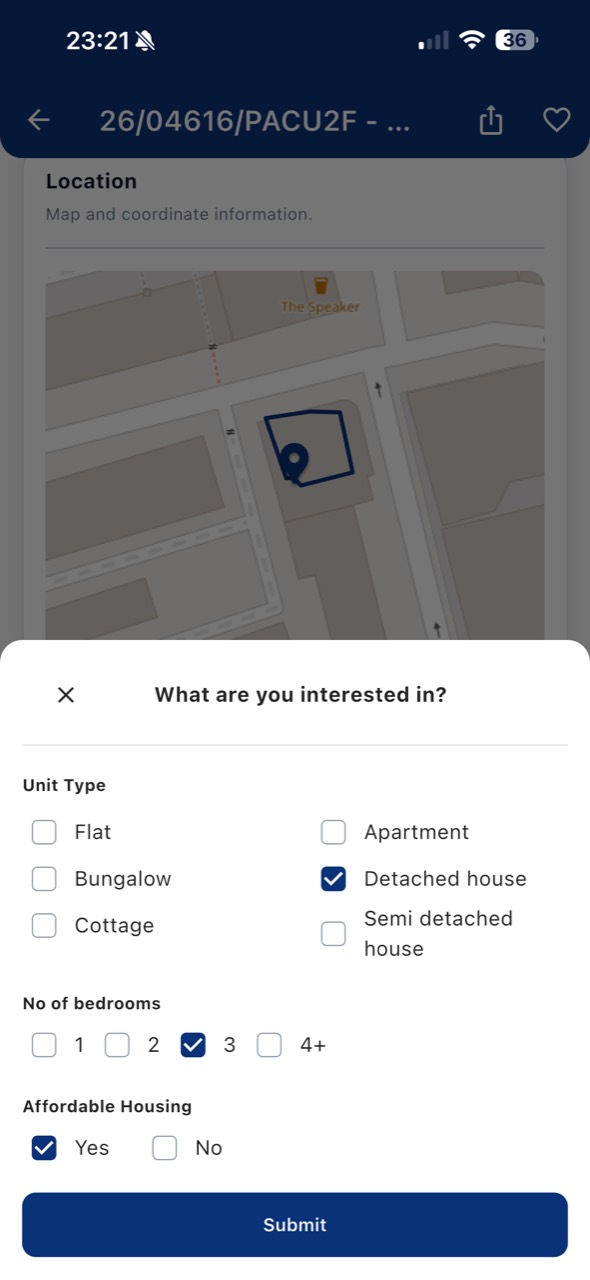
Register an interest in a planning application.
Prospective buyers can send their preferred property type, bedroom requirements and affordable-housing needs to the developer or builder, creating an opportunity to secure a new home early.
THE BRIEF
Future Builds wanted to make UK planning applications easier to find and understand. The product needed to search by location, application type, status and date, while giving members a simple way to save searches and developments worth tracking.
It also needed to serve professional users. Companies and developers would be able to claim relevant planning applications and add context beyond the standard portal record, including project imagery and their own development descriptions.
THE PROBLEM
Planning information is distributed across different portal and authority sources, with varying structures and levels of detail. A useful customer experience could not depend on presenting those records exactly as received.
The platform also had to support several kinds of individual and business account, each with different access rules, subscription entitlements and permitted actions.
OBJECTIVES
- Connect with UK planning data sources through dependable API integrations.
- Let users search applications by location, type, status and date.
- Present results through both map and list-based discovery.
- Allow users to favourite postcodes and applications and receive relevant updates.
- Let prospective buyers register an interest in a planning application and send their property requirements directly to the developer or builder before construction begins.
- Enable verified companies and developers to claim applications and enrich their public information.
- Support multiple subscription tiers and account types through Stripe.
OUR APPROACH
We designed Future Builds as a connected app and platform rather than a thin interface over one data source. A layered API architecture normalises planning records for the app, applies product-specific permissions and keeps external data concerns separate from the customer experience.
Search, application detail, saved items, notifications, company tools and billing were designed as parts of the same journey. This allowed account permissions and subscription access to remain consistent as users moved between features.
THE SOLUTION
The Flutter app provides location-led planning discovery, detailed application records and a focused favourites area for saved postcodes and developments. From a proposed development, a prospective buyer can register an interest in the planning application, specify the kind of home they want—including property type, bedrooms and affordable-housing requirements—and send it to the relevant developer or builder.
Behind the app, Laravel coordinates planning-data integrations, registered interests, application claims, company information, user roles and subscription rules. Stripe supports a layered billing model across the available account and membership types.
KEY FUNCTIONALITY
- Planning application search by location, type, status and date
- Interactive map and list-based results
- Detailed planning application records
- Saved postcodes and favourited developments
- Push notifications for relevant application updates
- Register an interest in a planning application with its developer or builder
- Property requirements covering type, bedrooms and affordable housing
- Developer and company application claims
- Enhanced descriptions and project imagery
- Multiple account types with permission-based access
- Tiered Stripe subscriptions and billing management
CHALLENGES
The principal technical challenge was the layered API structure required to receive planning data from different sources, translate it into a consistent internal model and expose it safely to the app. That work also had to account for delayed, incomplete or differently formatted source records.
Complex user types added another layer. Individual users, companies, developers and staff could not all see or change the same information, so restrictions needed to be enforced consistently in the API and platform rather than relying on interface visibility alone.
OUTCOME
Future Builds now has a scalable foundation for turning public planning records into an active discovery and monitoring service. Users can find developments in an area, follow the applications that matter and register an interest in a planning application with its developer or builder early enough to pursue a home before construction begins. Professional accounts can contribute richer project information through controlled claiming workflows.
The subscription architecture gives the business a clear route to serve different audiences and evolve its plans without separating billing from the permissions that define each account.